

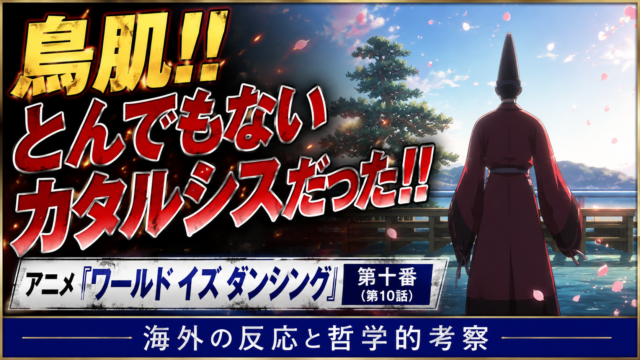

アニメ『ワールド イズ ダンシング』第七番「狭間にて」
海外では「どうしてそこで終われるんだ?残酷すぎるクリフハンガーだ」や「良い芸術は、それを演じる者より長く残る」など、今回も様々な意見がありました!
さっそくRedditを中心とした海外の反応を見て行きましょう。
後半では海外の反応から哲学的考察をしていきます。
ぜひ最後までお付き合いください!
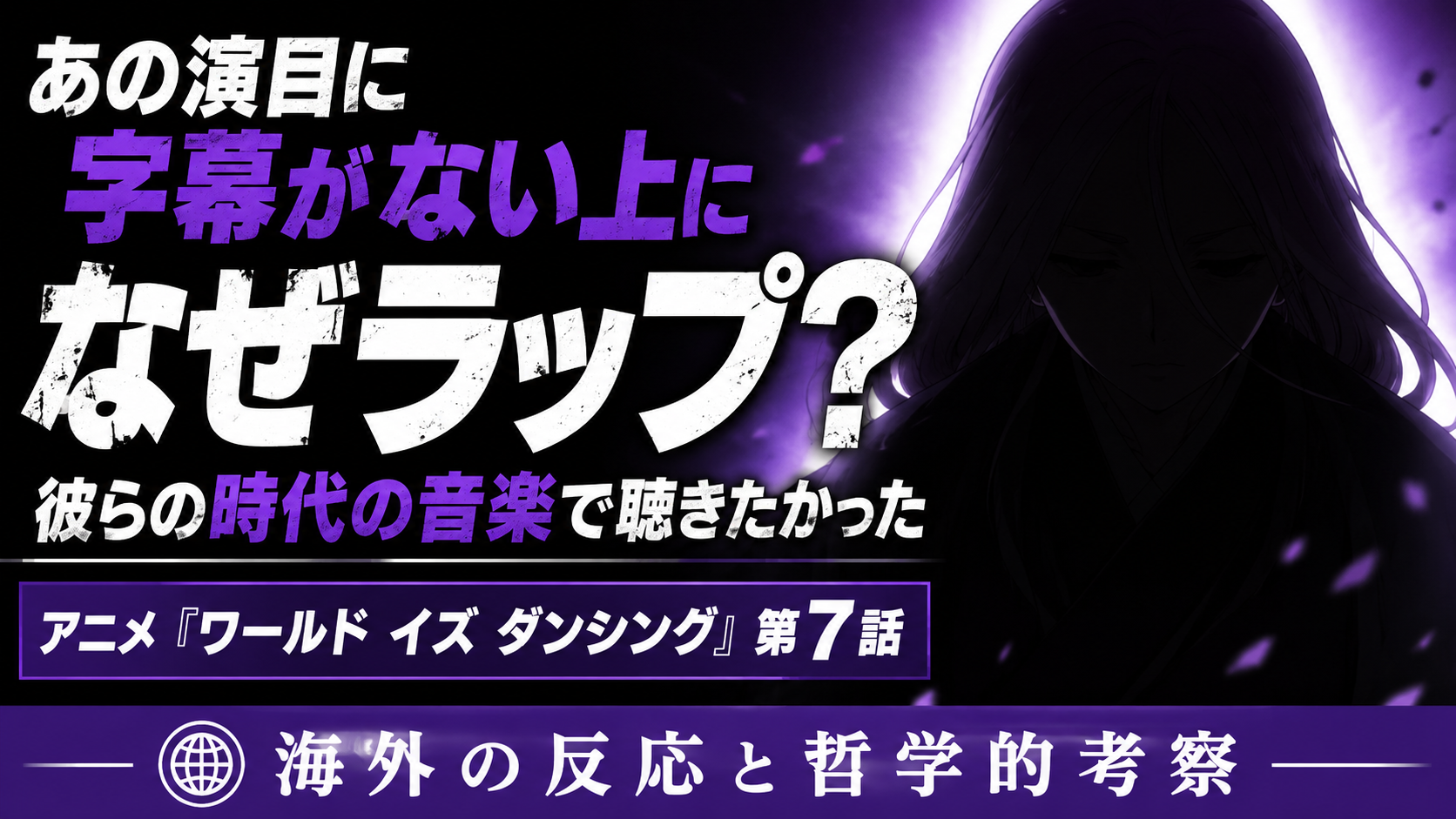
アニメ『ワールド イズ ダンシング』第7話 海外の反応と哲学的考察|あの演目に字幕がない上になぜラップ?彼らの時代の音楽で聴きたかった
海外の反応まとめ【ネタバレあり】
衝撃・驚きの反応
“how could you end there? brutal cliffhanger .”
どうしてそこで終われるんだ?
残酷すぎるクリフハンガーだ。
“As most y’all mentioned, not having subs for the grave performance was a major disappointment. This is the second time in two weeks that there’s been a cliffhanger right before an expected elite performance (Inept Villainess the other), straight up diabolical. Oniyasha bout to stunt on everybody next week.”
みんなも言ってるけど、あの墓標をめぐる演目に字幕がなかったのは本当に残念だった。
ここ2週間で、すごい演技が始まりそうな直前にクリフハンガーを食らったのはこれで2回目だ。
もう一つは『ふつつかな悪女ではございますが ~雛宮蝶鼠とりかえ伝~』だけど、マジで悪魔的すぎる。
鬼夜叉は来週、全員を圧倒してくれそうだな。
“Sure, let’s omit the translation for the ENTIRE PERFORMANCE THAT IS LITERALLY A CONVERSATION. This was incredibly frustrating to watch.”
そうだね、文字通り「会話」になっている演目全体の翻訳を丸ごと省こう。
見ていて信じられないくらいイライラしたよ。
“I’m sorry but the lack of subtitles almost made me drop this entire show, crunchyroll is so lazy with their subtitling it’s actually becoming unwatchable.”
悪いけど、字幕がなかったせいでこの作品自体を見るのをやめそうになった。
Crunchyrollの字幕はあまりにも手抜きで、本当に見ていられなくなってきてる。
“Hidive might be the biggest morons on the market, not providing subs for the whole climax of the episode”
エピソードのクライマックス全体に字幕を付けないなんて、HIDIVEは配信サービスの中でも一番どうかしてるかもしれない。
“Why is there a 21 century orchestra while Oniyasha is playing ? Don’t get me wrong it’s really nice to listen but it feels so wrong to have electric guitar with characters playing old instrument. I would have love to listen to what kind of musical representation could be like during their era, instead I feel like I had the 21th century version of the debate”
鬼夜叉が演じているのに、どうして21世紀のオーケストラが流れてるんだ?
誤解しないでほしい、聴いていてすごく良いんだ。
でも登場人物たちが昔の楽器を演奏しているところにエレキギターが入ってくるのは、ものすごく違和感がある。
彼らの時代ならどんな音楽表現になったのかを聴いてみたかった。
これだと、あの問答の21世紀版を聴いているような気分だったよ。
“Yoshimitsu is the only judge for the rematch? This should be good… Cute way of Oniyasha helping that one kid who fell behind. I sure wish I could understand what Oniyasha’s performance was about. Not subbing song lyrics when they’re clearly important is just… Making all this smoke is what Ishiya’s role was, yeah? Looking forward to seeing what the rest of Oniyasha’s performance is like next week.”
再戦の審判は足利義満ただ一人なのか?
これは面白くなりそうだ……。
遅れていた子を鬼夜叉が助けるやり方も可愛かった。
鬼夜叉の演目が何について語っているのか、本当に理解したかったよ。
明らかに重要な詞なのに字幕を付けないのはさすがに……。
この煙を全部出すのが石也の役目だったんだよな?
来週、鬼夜叉の演目の続きがどうなるのか楽しみだ。
“It would be welcome to have subtitle during the debate”
あの問答の最中には字幕が欲しかったな。
笑い・ユーモア系
“So we basically just watched an epic rap battle but we just have to believe that the monk lost to the old woman because there were no subs. Well, that fucking sucks. I hope someone subs that scene because, as impressive as the singing was, it has zero effect when you can’t understand what they’re saying. >_<<“
つまり俺たちは、とんでもなく壮大なラップバトルを見せられたのに、字幕がないから「僧が老婆に負けた」と信じるしかないわけだ。
いや、それはさすがに最悪だろ。
誰かあの場面に字幕を付けてくれることを願うよ。
謡そのものはどれだけ素晴らしくても、何を言っているのか理解できなければ何も響いてこないんだ。>_<
“this episode reminds me of inu-oh lol”
今回のエピソード、『犬王』を思い出すわ(笑)。
“No any translation of the perfomance at the end? Good job.”
最後の演目、翻訳が一切ないの?
素晴らしい仕事だね。
“I feel like this episode needs a spoiler warning for The Elusive Samurai.”
このエピソード、『逃げ上手の若君』のネタバレ注意まで必要な気がしてきた。
“Oh good, I wasn’t hallucinating. I mean the visuals are striking but given the crux of the first act was a debate, lack of subtitles is a genuine issue.”
よかった、俺が幻覚を見てたわけじゃなかったんだな。
映像が印象的なのは間違いないけど、前半の核心が問答だったことを考えると、字幕がないのは本当に問題だよ。
“Folks clucking at the electric guitar, I can’t believe he can sing with such strength while maintaining an impassive tone and slouched in stillness”
みんなエレキギターのことで騒いでるけど、俺はあんな無表情で、しかもじっと座った姿勢のまま、あれほど力強く謡えることのほうが信じられないよ。
“I was reminded of the movie INU-OH It’s a shame they didn’t provide lyrics during the performance. Licensing issue?”
映画『犬王』を思い出したよ。
演目の最中に詞の字幕がなかったのは残念だ。
権利関係の問題なのかな?
“Damn no translation with the performance? That wasn’t even as fast as Monogatari or Tatami Galaxy, thank goodness there’s Muse Asia”
マジか、あの演目に翻訳なし?
『〈物語〉シリーズ』や『四畳半神話大系』ほど速い台詞でもなかっただろ。
Muse Asiaがあって本当によかった。
深い考察系
“Yep, not translating the song really damns the episode for non japanese speakers. Someone on the site I watched it did a small summary and interpretation. The site is in Spanish, so I’ll paraphrase it here.
As the guys commenting after the performance say, Oniyasha is performing Komachi on the Gravepost. It’s about how this old, decrepit lady is found seated at a Buddhist sacred marker by some monks. The monks admonish her for being disrespectful to the Buddha. She counters that there is no real separation between common people and the Buddha, or between the sacred and the profane, since all things in the universe are ephemeral and lack a firm essence. The monks take the L and bow to her wisdom.
The old lady is revealed to be the once beautiful poet Ono no Komachi. In her youth she was courted by Fukakusa no Shosho, and she told him if he visited her for a hundred nights in a row, she would become his lover. But he fails, falls ill and dies on the hundredth night. An event Komachi comes to deeply regret. And as they say in the episode, in the final part of the play, Komachi is supposed to be possessed by Shosho’s ghost, dancing madly and reenacting his own madness in his final day.
What Oniyasha does by presenting this play to the Shōgun is question him on if he wants the legacy he leaves behind to be colored by his current youthful arrogance, and reminds him that he may too one day be on the losing side. He is forcing the Shōgun to listen and see the final words from the monk that he refused to heed before.”
そうだね。
あの謡を翻訳しなかったことは、日本語を話せない視聴者にとってこのエピソードを本当に台無しにしている。
俺が見たサイトでは、誰かが簡単な要約と解釈を書いてくれていた。
スペイン語のサイトだったから、ここでは俺なりに言い換えて説明する。
演目の後で登場人物たちが話しているように、鬼夜叉が演じているのは『卒塔婆小町』だ。
老い衰えた老婆が仏教の聖なる卒塔婆に腰掛けているところを僧たちに見つけられる話だ。
僧たちは、仏に対して無礼だと老婆をたしなめる。
しかし老婆は、世俗の人間と仏、聖なるものと俗なるものの間に本質的な隔たりなどないと反論する。
この世のあらゆるものは移ろいゆき、確固たる実体を持たないからだ。
僧たちは言い負かされ、その知恵に頭を下げる。
その老婆の正体は、かつて絶世の美女として知られた歌人・小野小町だったことが明らかになる。
若いころ、彼女は深草少将から求愛され、百夜続けて自分のもとへ通うことができれば恋人になると告げた。
しかし少将はそれを果たせず、病に倒れて百夜目に死んでしまう。
小町はその出来事を深く後悔することになる。
そして作中でも語られたように、演目の終盤では小町が少将の亡霊に取り憑かれ、狂ったように舞いながら彼の最期の日の狂気を再演することになっている。
鬼夜叉がこの演目を将軍・足利義満に見せることで問いかけているのは、自分が残すものを、今の若さゆえの傲慢さで染めたいのかということだ。
そして義満自身も、いつか敗者の側に立つ日が来るかもしれないと思い出させている。
鬼夜叉は、義満が以前聞こうとしなかった者の最後の言葉を、今度こそ聞き、見るよう迫っているんだ。
“Would have been nice to have subs. From my quick googling about Komachi on the Gravepost, this play is basically Oniyasha sending a warning to Yoshimitsu.
This episode’s flower is the Golden Lace (Patrinia scabiosifolia), known as Ominaeshi (女郎花) in Japanese. This is a flower that symbolizes feminine beauty and grace, and features in waka poetry as one of the Seven Herbs of Autumn. It also carries melancholic connotations of fleeting love, as well as kindness. All relevant to the play, since the old woman used to be the legendary beauty and poet Ono no Komachi. Her body is later possessed by the ghost of a suitor who died while she was toying with him, and she dances until his spirit is appeased. The 女郎 in it’s name is also an old term used to refer a prostitute or courtesan, so this seems to be a reference to the Shirabyoushi from Episode 2, to show how much Oniyasha has changed since then.”
字幕があったらよかったのにな。
『卒塔婆小町』について軽く調べてみたところ、この演目は基本的に鬼夜叉から足利義満への警告なんだと思う。
今回の花はオミナエシ(女郎花)。
女性的な美しさや優雅さを象徴し、和歌にも登場する「秋の七草」の一つだ。
儚い恋を思わせる物悲しさや、優しさという意味合いも持っている。
どれも今回の演目に関係している。
なぜなら、あの老婆はかつて伝説的な美女で歌人だった小野小町だからだ。
その後、小町の身体には、彼女への求愛の末に死んだ男の亡霊が取り憑き、その魂が鎮まるまで彼女は舞い続ける。
さらに「女郎」という言葉は、かつて遊女などを指す言葉としても使われていた。
だからこれは第二番の白拍子を思い起こさせ、あのころから鬼夜叉がどれほど変わったのかを示しているようにも思える。
“As Oniyasha ‘s eyes are opened up regarding the politics between the northern and southern courts. Everything he was accusing the shogun of was more of the things to himself. As like the Shogen he was born a winner. The difference is the Shogen has known the realities of the current political climate.
His thoughts about getting rid of your weakness and focusing on your power are a consistent aspect for him. I wonder if the key will be for Oniyashi to show there is merit in embracing weakness.”
鬼夜叉は、北朝と南朝をめぐる政治の現実に目を開かされていく。
将軍を責めていた言葉の多くは、むしろ自分自身にも向けられるものだった。
将軍と同じように、鬼夜叉もまた「勝者」の側に生まれた人間なんだ。
違うのは、将軍は現在の政治情勢の現実を知っているということ。
弱さを捨てて自分の力に集中するという考え方は、彼の中で一貫している。
もしかすると鍵になるのは、弱さを受け入れることにも価値があると鬼夜叉が示すことなのかもしれない。
“Little bro learning that the world is a cruel place and that it’s the victors who get to write history. I guess our boy is going to speak for the defeated? Be their champion of sorts? Maybe that’s what that performance is going to be. Or a damning rebuke of the shogun which would be ballsy as hell.
I was curious how the Ashikaga shogunate ended and found out it was Oda Nobunaga that defeated the final shogun. I think that’s in the Shogun 2 Total War timeframe lol.”
少年は、世界が残酷な場所であり、歴史を書くのは勝者だということを学んでいるんだな。
ということは、鬼夜叉は敗者たちの代わりに声を上げることになるのか?
彼らの代弁者みたいな存在になるのかな?
もしかすると、今回の演目はそのためのものなのかもしれない。
あるいは将軍への痛烈な批判なのかもしれないけど、それをやったら相当な度胸だぞ。
足利幕府がどう終わったのか気になって調べたら、最後の将軍を倒したのは織田信長だったんだな。
たしか『Total War: SHOGUN 2』あたりの時代だった気がする(笑)。
“The path to a dancer was paved with blood. First it was the shirabyoushi, and now it’s Toku. The former taught Oniyasha about the blessings of the body while the latter taught him about making a mark in history despite being on the losing side.
That locked-in look while he’s covered by smoke. Now that he’s done with the intro, what would he cook in the latter half of his performance?”
舞い手への道は血で舗装されていた。
最初は白拍子、そして今度は徳さんだ。
白拍子は鬼夜叉に身体を持つことの恵みを教え、徳さんは敗者の側にいたとしても歴史に痕跡を残すことを教えた。
煙に包まれたときの、完全に集中しきったあの表情。
導入が終わった今、演目の後半で鬼夜叉は一体何を見せてくれるんだろう?
“Good Art lasts longer that the one who performs it.
Through different experience, Oniyasha seems to have find what he wants to do with his art. He wants the defeated to be remembered.
The next performance has for theme « Yoshimitsu ». This time, instead of mimicking the shogun,like a monkey would do (SARUgaku), he will probably mimic those the shogun doesn’t see. That’s what it means for him « to change this desolate world »”
良い芸術は、それを演じる者より長く残る。
さまざまな経験を通して、鬼夜叉は自分の芸で何をしたいのかを見つけたように思える。
彼は、敗者たちのことを人々の記憶に残したいんだ。
次の演目のテーマは「足利義満」。
今度は猿のように将軍を真似るのではなく、将軍には見えていない人々を演じるんじゃないだろうか。
それこそが鬼夜叉にとって「この寂しい世を変える」ということなんだと思う。
“Finally, Oniyasha truly comes to grips with the realities of the world and his station in it, though only through the suffering of others. Further compounded by the realization of how he and the shogun may have some similarities, but are also totally different in their stations.
Without the background knowledge of what Komachi on the Gravepost entails, it was odd seeing the performance start out entirely as dialogue with no dancing (and slightly incongruous electric guitar) but fortunately for the large portions of the audience who don’t know what’s supposed to happen, it’s explained.
Hopefully the dance is suitably novel.”
ついに鬼夜叉が、世界の現実と、その中で自分がどんな立場にいるのかを本当の意味で理解し始めた。
ただし、それを理解できたのは他人の苦しみを通してだった。
さらに、自分と将軍には似ている部分がある一方で、置かれている立場はまったく違うということにも気づいた。
『卒塔婆小町』がどんな演目なのかという予備知識がなければ、舞もなく完全な問答だけで演目が始まるのは少し奇妙に見えた。
少し場違いに感じるエレキギターも含めてね。
ただ、何が起きる演目なのか知らない大勢の視聴者のために、その後ちゃんと説明されていたのはよかった。
この後の舞が、それにふさわしいくらい斬新なものになることを願ってる。
感動・共感系
“Toku knows there’s no point risking the lives of the young for the elderly. As tragic as his position is, at least he won’t be completely forgotten.”
徳さんは、年寄りのために若者の命を危険にさらしても意味がないと分かっているんだ。
彼の置かれた状況は悲劇的だけど、少なくとも完全に忘れ去られることはない。
“This is what I miss from the OG Fansub groups. They put in the work to translate subs for the entire episode. Intro/Outro, songs, signs, etc..
The tradeoff of these speedy rips is great for instant gratification, but I really miss the work and community that was built up around the Fansub base.”
こういうところで昔のファンサブグループが恋しくなるんだよな。
彼らはエピソード全体を字幕にするために本当に手間をかけていた。
オープニング、エンディング、歌、画面に映る文字、全部だ。
今みたいにすぐ見られる配信は即座に楽しめるという利点があるけど、ファンサブを中心に築かれていたあの作業とコミュニティが本当に懐かしいよ。
“Yeah that was a let down.
I get its harder translate songs and that it often isn’t necessary.”
うん、あれは残念だった。
歌を翻訳するのが難しいことも、たいていの場合は翻訳する必要がないことも分かるんだけどね。
“Muse Asia have translation for the performance”
Muse Asiaでは、あの演目にも翻訳が付いてるよ。
“Reallllly wish there were subtitles for that performance.
And I know it was a deliberate choice, but it felt jarring to have modern instruments playing while Muromachi-era instruments were animated”
あの演目、本当に字幕が欲しかったよ。
意図的な演出だったのは分かってるけど、室町時代の楽器を演奏している映像に現代の楽器の音が流れるのは、かなり強烈な違和感があった。
“O:
Jade-green hair, a warbling voice
Yet all I did was gaze upon the rain, already fallen into decay
I am a water-weed adrift
If the tides would only beckon, happily I would go
Man:
We came upon the word of Buddha’s Holy Way
That bears the seed of all enlightenment
For its pursuit, our bodies clothed in priestly robes of black
In a dream suspended between past and future,
These feet simply step forward
Both:
The long journey…
O:
… is hard to breathe through
Man:
With eager steps,
Both:
Upon a withered cherry tree
O:
Let us sit here for a while
Man:
Yes, let us rest
“Old beggar, what you are sitting on is a sacred stupa,”
“a symbol of Buddha’s body”
O:
“A sacred symbol of Buddha’s body?”
“All I see was merely a decaying piece of timber”
Man:
“The cherry-trees, even when decayed,”
“cannot conceal themselves when in full flower”
“How much more true of a symbol of Buddha’s body!”
O:
“Well, that’s good, then”
Man:
“What are you saying?”
O:
“I, too, am a fallen tree decaying in the earth,”
“yet in my heart flowers burst in poetic bloom”
“Which I might offer to my holy Lord”
Man:
“The heart grows ugly, withers, and falls away”
“That is why the Buddha may rest upon it”
O:
“My heart is with the Buddha,”
“and so it may be a place for Him to rest”
Man:
“A sinner of Daiba could never be a resting place, could they?”
O:
“Wouldn’t they be saved by Kwannon’s compassion ?”
Man:
“And what of fools?”
O:
“How are they truly different from the wise?”
Man:
“What is called Evil?”
O:
“Is also good”
Man:
Good…
O:
Evil…
Man:
Desire…
O:
Loneliness…
Though none can truly be seen, they exist just as they are
Neither the crystal-clear water nor the sparkling mirror
…reflects anything at all
The Buddha dwells even within dead wood
Not in outward form, but in the heart alone
I am a water-weed adrift
If the tides would only beckon, happily I would go
The long journey is hard to breathe through
Paradise is still far away
So for now, yes, even now, it is all right to rest
Even if you stop walking, that is all right
Man:
In this moment, this dream between worlds,
When will your seed begin to sprout?
O:
When you have withered, fallen, and drifted on,
The seed of enlightenment will finally bloom
Please, come and see it whenever you wish
Man:
“I yield.””
老婆:
翡翠色の髪、震えるような声。
けれど私がしたことといえば、すでに朽ちてゆく雨を眺めていただけ。
私は流れ漂う浮草。
潮が呼んでくれるのなら、喜んで流れていこう。
僧:
我らは仏の聖なる道の教えに出会った。
そこには、あらゆる悟りの種が宿っている。
その道を求め、我らは黒き僧衣を身にまとい、
過去と未来の狭間に浮かぶ夢の中、
この足はただ前へと進んでゆく。
二人:
長い旅路……。
老婆:
……息をすることさえ苦しい。
僧:
足を急がせ、
二人:
枯れた桜の木のもとへ。
老婆:
ここでしばらく座っていこう。
僧:
そうだ、休むとしよう。
「老いた物乞いよ、お前が腰掛けているのは神聖な卒塔婆だ」
「仏の御身を象徴するものだぞ」
老婆:
「仏の御身を表す神聖なもの?」
「私にはただ朽ちかけた木片にしか見えないがね」
僧:
「桜の木は朽ちようとも」
「満開になれば、その姿を隠すことなどできぬ」
「まして仏の御身を表すものなら、なおさらだ!」
老婆:
「なら、それでよいではないか」
僧:
「何を言っている?」
老婆:
「私もまた、大地の中で朽ちてゆく倒木のようなもの」
「それでも心の中では、歌の花が咲き誇っている」
「その花を、尊き御仏へ捧げることもできよう」
僧:
「心は醜くなり、枯れ、そして落ちてゆく」
「だからこそ仏は、そこに休むことができるのだ」
老婆:
「私の心は仏とともにある」
「ならば、ここも仏がお休みになる場所となろう」
僧:
「提婆のような罪人が、仏の休む場所になれるはずがなかろう?」
老婆:
「その者も観音の慈悲によって救われるのではないか?」
僧:
「では愚者は?」
老婆:
「賢者と、本当のところ何が違う?」
僧:
「悪と呼ばれるものは?」
老婆:
「それもまた善」
僧:
善……。
老婆:
悪……。
僧:
欲……。
老婆:
寂しさ……。
どれも本当の姿を見ることはできない。
それでも、それらはただあるがままに存在している。
透き通った水も、輝く鏡も、
……何一つ映してはいない。
仏は枯れ木の中にさえ宿る。
外に現れる姿ではなく、ただ心の中に。
私は流れ漂う浮草。
潮が呼んでくれるのなら、喜んで流れていこう。
長い旅路は、息をすることさえ苦しい。
極楽はまだ遠い。
だから今は、そう、今だけは休んでもいい。
歩みを止めたとしても、それでいい。
僧:
この瞬間、この世と世の狭間の夢の中で、
お前の種はいつ芽吹くのだ?
老婆:
あなたが枯れ、落ち、そして流れ去ったそのとき、
悟りの種はついに花を咲かせる。
そのときは、いつでも見に来ておくれ。
僧:
「参りました」
“Politics and missing translations aside, the first part of the episode was quite emotional. There are few things in history as frustrating as impossible trials, because they thought divine powers would save the innocent. The old man’s speech towards the Shogun was really gripping.”
政治の話や翻訳がなかったことはさておき、エピソード前半はかなり胸にくるものがあった。
無実なら神の力によって救われると考えられていたせいで行われた、ああいう理不尽な裁きほど、歴史を見ていてやるせないものはなかなかない。
徳さんが将軍に向けて語った言葉は、本当に胸を掴まれたよ。
引用元:
Reddit
海外の反応、いかがでしたか?
第七番では、徳さんをめぐる出来事を通して鬼夜叉が「勝つ側」と「負ける側」の違いを突きつけられ、海外でもそこに注目する声が多く見られました。
特に印象的だったのが、「良い芸術は、それを演じる者より長く残る」「鬼夜叉は敗者たちを記憶に残したいのではないか」というコメントです。
一方で、終盤の演目が物語上重要な問答でありながら、海外配信で字幕が表示されなかったことへの不満も非常に多く寄せられていました。
それでも海外ファンは『卒塔婆小町』について自ら調べ、鬼夜叉の演目が足利義満へ何を訴えようとしているのかを考察しています。
ここからは「敗者を記憶すること」「芸術が人間より長く残ること」「善悪や聖俗の境界」という3つの視点から、少し深掘りしてみましょう。

哲学から見るアニメ『ワールド イズ ダンシング』
「敗者の声を歴史に残す」ヴァルター・ベンヤミンの歴史哲学
“Good Art lasts longer that the one who performs it.
Through different experience, Oniyasha seems to have find what he wants to do with his art. He wants the defeated to be remembered.”
良い芸術は、それを演じる者より長く残る。
さまざまな経験を通して、鬼夜叉は自分の芸で何をしたいのかを見つけたように思える。
彼は、敗者たちのことを人々の記憶に残したいんだ。
この「敗者たちを記憶に残す」という考え方は、ドイツの思想家ヴァルター・ベンヤミンの歴史哲学と強く結びついています。
ベンヤミンは、歴史を単純に「勝者が積み重ねてきた進歩の物語」として見ることに批判的でした。
歴史の表舞台に残るのは、権力を握り、勝利した者たちの記録ばかりとは限りません。
その陰には、敗北し、踏みにじられ、名前さえ残らなかった無数の人間が存在します。
今回の鬼夜叉も、それまで自分が足利義満と同じ「勝つ側」に立っていたことを突きつけられます。
しかし徳さんの姿を目の当たりにしたことで、歴史から消えていく側の人間にも、その人だけの人生と言葉が存在することに触れました。
海外コメントにあった「鬼夜叉は敗者の代わりに声を上げるのではないか」という見方は、まさにこの点を捉えています。
芸によって名を残すということは、自分自身を有名にすることだけではありません。
声を残すことのできなかった人間の存在を、別の時代へ届けることもできます。
鬼夜叉の舞が「勝者を楽しませる芸」だけではなく「敗者を忘れさせない芸」へ向かうのだとすれば、そこには歴史を見る視点そのものの大きな転換があります。
参考哲学者・思想家
・ヴァルター・ベンヤミン「歴史を勝者による進歩の物語としてのみ捉えず、過去の敗者や抑圧された人々の側から捉え直そうとした」
「芸術は人間より長く残る」ハンナ・アーレントと作品の持続性
“Good Art lasts longer that the one who performs it.”
良い芸術は、それを演じる者より長く残る。
この短いコメントは、政治哲学者ハンナ・アーレントが『人間の条件』で論じた、人間が作り出す「作品」の持続性を考えるうえで興味深い言葉です。
人間の生命には終わりがあります。
食べることや働くことなど、生きるための活動の多くも、その瞬間ごとに消費されていきます。
一方で、人間が作り出した作品は、作者や演者の生命を越えて世界の中に残る可能性があります。
『ワールド イズ ダンシング』で描かれる「舞」は、その瞬間に身体を動かして生まれるものであり、本来なら舞い終えた瞬間に消えてしまう表現です。
しかし、その舞が誰かの記憶に刻まれ、受け継がれ、さらに別の人間によって演じられていくなら、個人の寿命を越えることができます。
徳さんも白拍子も、永遠に生きることはできません。
鬼夜叉自身も同じです。
それでも、彼らから受け取ったものが鬼夜叉の芸へ入り込み、その芸がさらに未来へ伝わっていくなら、人間の存在は別の形で世界に痕跡を残します。
「良い芸術は、それを演じる者より長く残る」という海外コメントは、今回の物語だけでなく、芸能そのものが持つ時間の長さを端的に表した言葉と言えるでしょう。
参考哲学者
・ハンナ・アーレント「人間が制作する作品には、作り手の一時的な生命を越えて世界に持続する可能性があると論じた」
「善と悪、聖と俗の境界」ナーガールジュナの空の思想
“The monks admonish her for being disrespectful to the Buddha. She counters that there is no real separation between common people and the Buddha, or between the sacred and the profane, since all things in the universe are ephemeral and lack a firm essence. The monks take the L and bow to her wisdom.”
僧たちは、仏に対して無礼だと老婆をたしなめる。
しかし老婆は、世俗の人間と仏、聖なるものと俗なるものの間に本質的な隔たりなどないと反論する。
この世のあらゆるものは移ろいゆき、確固たる実体を持たないからだ。
僧たちは言い負かされ、その知恵に頭を下げる。
この海外コメントが注目している「確固たる実体を持たない」という考え方は、仏教思想における「空」を連想させます。
その思想を代表する人物の一人が、インドの仏教思想家ナーガールジュナ(龍樹)です。
ナーガールジュナは、物事がそれ単独で固定された本質を持って存在しているという見方を退け、あらゆるものが関係の中で成立していることを論じました。
今回の問答では、「これは聖なる卒塔婆だから座ってはいけない」という僧たちの見方に対して、老婆がその区別そのものを揺さぶります。
聖なるものと俗なるもの。
善と悪。
賢者と愚者。
一見すると正反対に見えるものを、絶対的で動かない境界として扱うことができるのかという問いです。
この構造は、鬼夜叉が直面している「勝者と敗者」という区別とも重なります。
今は勝者である人間も、永遠に勝者であり続けるとは限りません。
足利義満でさえ、鬼夜叉の演目の中では「いつか自分も負ける側になるかもしれない」という可能性と向き合わされます。
固定された「勝者」という実体があるのではなく、立場は状況や時代の関係によって変わっていく。
だからこそ鬼夜叉の演目は、単純な善悪や勝敗を越えて、義満が当然だと思っている世界の見方そのものを揺さぶる力を持っているのではないでしょうか。
参考哲学者・思想家
・ナーガールジュナ(龍樹)「あらゆる存在には独立した固定的実体があるのではなく、関係の中で成立しているという『空』の思想を展開した」
まとめと感想
『ワールド イズ ダンシング』第七番「狭間にて」は、鬼夜叉が自分の立っている場所を大きく問い直す回となりました。
徳さんを助けようとする鬼夜叉とコガネ。
しかしそこで鬼夜叉が突きつけられたのは、個人の思いだけでは覆すことのできない時代と権力の現実でした。
海外の反応でも、「歴史を書くのは勝者」「鬼夜叉は敗者たちの代弁者になるのではないか」「良い芸術は演者より長く残る」といった、今回の物語の核心に踏み込む考察が多く見られました。
特に、徳さんや白拍子との出会いが鬼夜叉の中に残り、それが新しい芸へ変わっていくという見方は印象的です。
そして終盤、鬼夜叉が足利義満に向けて始めた演目。
海外では字幕不足を惜しむ声が非常に多かった一方、その内容を自ら調べて「義満への警告ではないか」と読み解くファンもいました。
勝者と敗者。
善と悪。
聖なるものと俗なるもの。
そうした境界を舞台の上から揺さぶろうとする鬼夜叉が、この先どんな「舞」にたどり着くのか気になります。
個人的な感想
卒塔婆小町の演出…なんであれにしたんだろう?
海外では、あの早口の演目の内容すべてが翻訳されていなかったらしく、困惑している様子でしたね。
せっかく日本の伝統を扱っているアニメなのにもったいないなーと感じました😢
引き続きこのブログでは次回も海外の反応をお届けしますのでお楽しみに!
ワールド イズ ダンシング 関連グッズ
![BD ワールド イズ ダンシング 2 (Blu-ray Disc)[ハピネット]【送料無料】《01月予約》](https://thumbnail.image.rakuten.co.jp/@0_mall/amiami/cabinet/pb/2026/273/med-dvd2-60683.jpg?_ex=128x128)
![【特典】BD ワールド イズ ダンシング 1 (Blu-ray Disc)[ハピネット]【送料無料】《1…](https://thumbnail.image.rakuten.co.jp/@0_mall/amiami/cabinet/pb/2026/273/med-dvd2-60682.jpg?_ex=128x128)
©三原和人・講談社/『ワールド イズ ダンシング』製作委員会